Languages Matter
This week, we’re celebrating the European Day of Languages on 26 September. It’s a great excuse to pause and think about languages: the little things that make them unique, the surprises we find when learning them, and why keeping languages alive matters.
So, this week’s activities have a bit of a language theme.✨
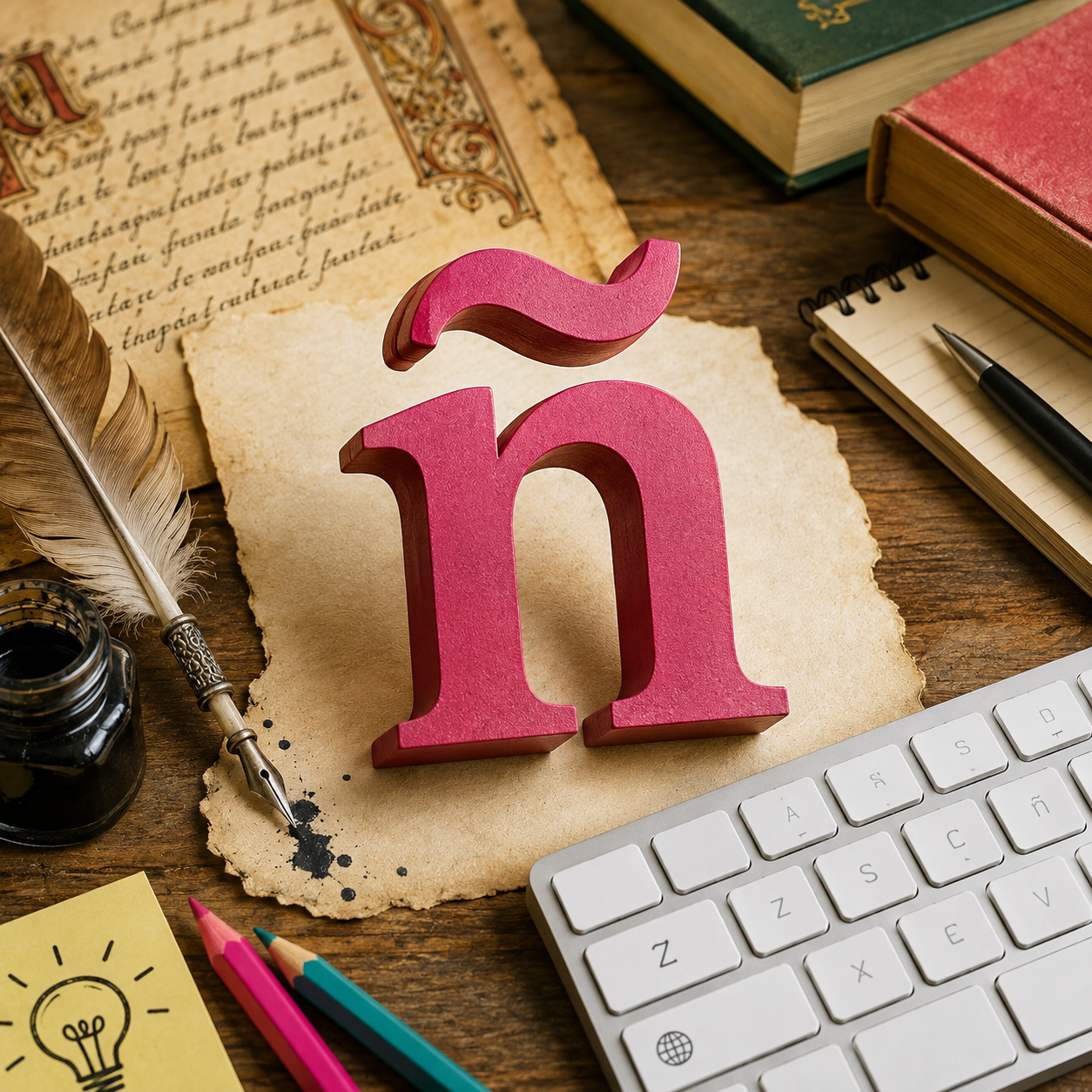
We’ll start with one of the most recognisable features of Spanish: la letra ñ. Where did it come from and why is this tiny letter such an important part of the language? You’ll explore its story through a bilingual reading and listening activity, so you can practise your Spanish while discovering a little linguistic history along the way. 💬
Then we’ll look at a more serious side of the story. Languages are disappearing, and some Indigenous languages are at risk of becoming extinct. In our fill-in-the-blank activity, you’ll learn a little more about what’s happening while putting your present tense conjugations to work in context.
And finally, watch out for this week’s false friend! 👀 It’s one of those Spanish words that looks reassuringly familiar to an English speaker… but doesn’t mean quite what you might expect.
¡Felliz Día Europeo de las Lenguas! 🌎
Read along with us
Bilingual text with audio
What makes the ñ so special?
Discover the story behind one of Spanish’s most distinctive letters with our bilingual reading and listening activity.
B2 La historia de la letra ñ
Take a closer look at some of the most interesting grammar featured in the text with this shared notebook:
Remember we have lots of free reading activities.
Mind the Gap “___”
Lenguas en peligro de extinción: the present tense
Learn about Indigenous languages that are at risk of extinction while practising your present tense conjugations at the same time.
A1 Lenguas en peligro de extinción
Then, explore more of our free fill-in-the-blanks activities to keep improving your Spanish!
Amigo falso
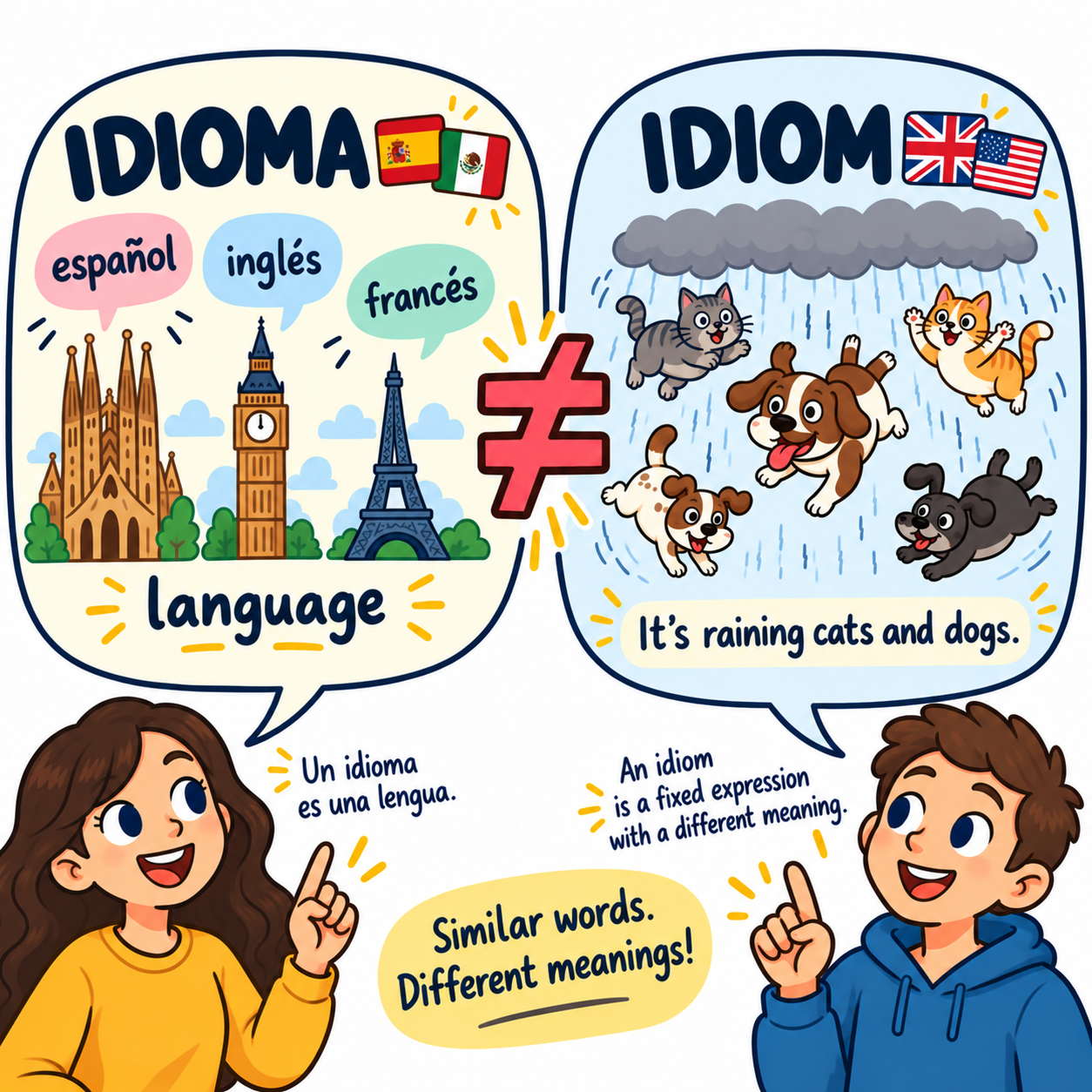
Idioma: does it really mean “idiom”?
What does idioma mean? Do you know?
Did you think it means idiom, as in an idiomatic expression? It certainly looks like it! But the Spanish word idioma actually means language:
el idioma español = the Spanish language
el idioma inglés = the English language
el idioma francés = the French language
So, if someone asks you ¿Qué idiomas hablas?, they’re asking What languages do you speak?, not what idioms you know!
Ah! And here’s another useful thing to remember: despite ending in -a, idioma is a masculine noun: el idioma.
Do you want to learn about other lookalikes?
False Friends
Hurray for Weekend Workout Friday!
Special treat for Premium subscribers
Friday is Weekend Workout day – a special treat just for our Premium subscribers, with fresh dictations and writing challenges to boost your listening and writing skills.
This week’s theme is Words.
Here’s a writing challenge for our free users: The best concert ever! (B1)
Not Premium yet? Now’s a great time to upgrade! You’ll get these Weekend Workouts every week, plus unlimited kwizzes and multiple notebooks.
Note: We send dictations and writing challenges by email, which you can opt into or out of. To check your email preferences, please click on your communication preferences and make sure there’s a check next to System Communications in order to receive exercises every week.
📬 Want to receive this newsletter in your inbox? Go to email preferences and make sure you have Language tips and tricks newsletter turned on.his is not all.
That’s all for this week! We hope these activities have sparked a little curiosity about Spanish and the wonderful world of languages. 🌍💬
For more Spanish, come and join us on Instagram, TikTok and Facebook for more tips, challenges and fun Spanish content.
¡Hasta la próxima! 👋